Why Space Matters More Than You Think
Living in Sha Tin means working with what you’ve got. Most apartments here are compact — sometimes 500 square feet, sometimes less. But here’s the thing: size doesn’t determine how a space feels. The arrangement does.
Feng shui isn’t about mystical beliefs or elaborate rituals. It’s about understanding how furniture placement, light, and flow affect how you feel in a room. When done right, even a small apartment can feel open, energized, and genuinely peaceful.
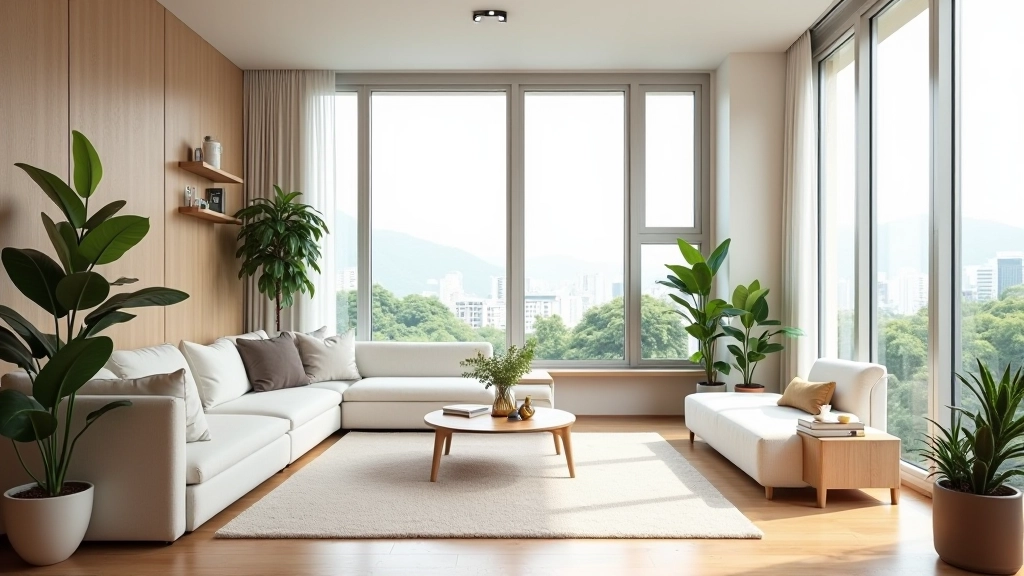
The Three Core Principles
You don’t need to memorize complicated feng shui theory. Focus on these three things instead:
Clear pathways
Energy (and you) need to move freely through a room. Don’t block doorways or windows. Keep pathways clear — even narrow ones.
Natural light access
Windows are valuable in small spaces. Don’t cover them with heavy furniture. Position seating to benefit from natural light during the day.
Intentional placement
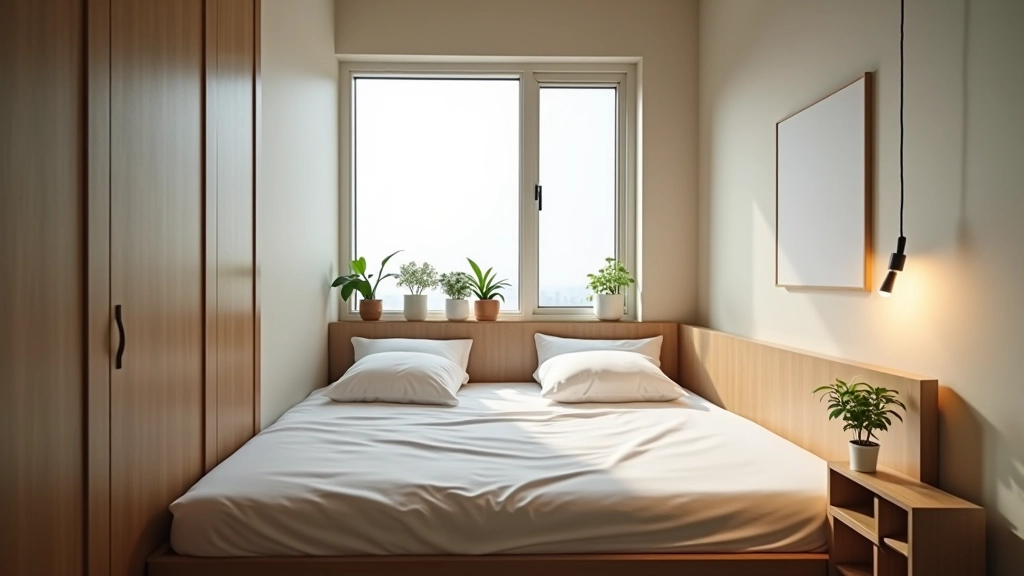
Every piece has a purpose. Nothing should feel crammed or accidental. Arrangement tells a story about how you use the space.
Educational Context
This article provides informational guidance on feng shui principles and interior arrangement. Everyone’s space is different, and results depend on individual preferences and circumstances. Consider consulting a professional interior designer if you’re planning major renovations.
Practical Techniques for Your Apartment
Okay, theory is useful. But what actually works in a 450-square-foot Sha Tin flat? Here’s what we recommend:
Vertical Storage Wins
Don’t spread things horizontally. Go up. Floor-to-ceiling shelving, wall-mounted cabinets, and tall narrow units keep the floor open and sightlines clear. This creates a sense of space even when you don’t have much of it.
The Conversation Area
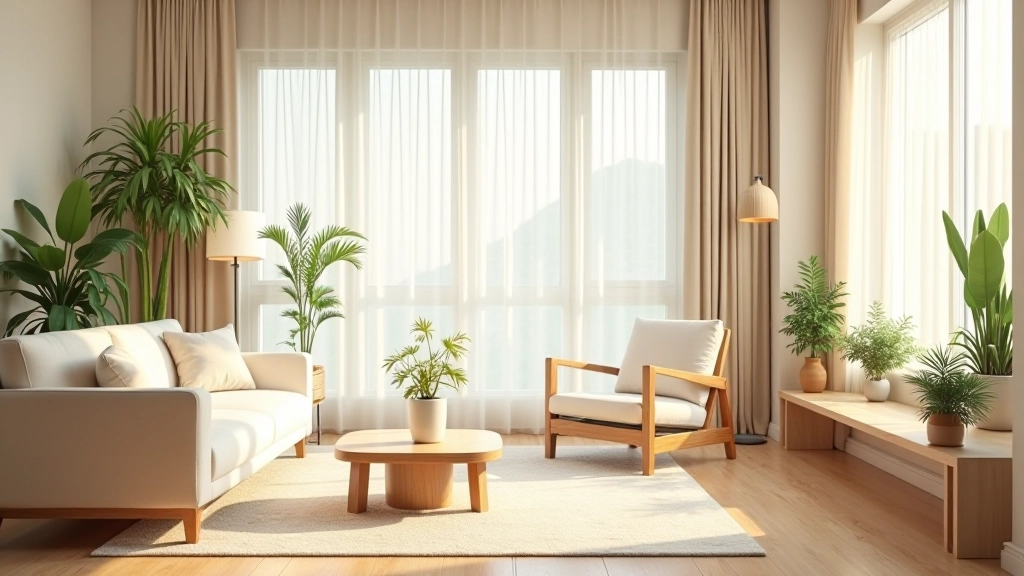
In small living rooms, furniture should form a loose circle or square, not line the walls. This creates intimacy and encourages conversation. A small sofa plus two chairs angled toward each other works better than spreading pieces apart.
Light Layering
One overhead light makes a room feel cold. Combine natural light with floor lamps, task lighting at desks, and soft ambient lights. Different light sources create depth and warmth — essential in compact spaces.
Color and Element Balance
Feng shui uses five elements: wood, fire, earth, metal, and water. You don’t need all of them equally. Focus on what your space needs.
For small spaces, we recommend: Wood (natural furniture, plants) + Metal (mirrors, light fixtures) + Earth (neutral tones, ceramic). These three create calm without visual chaos.
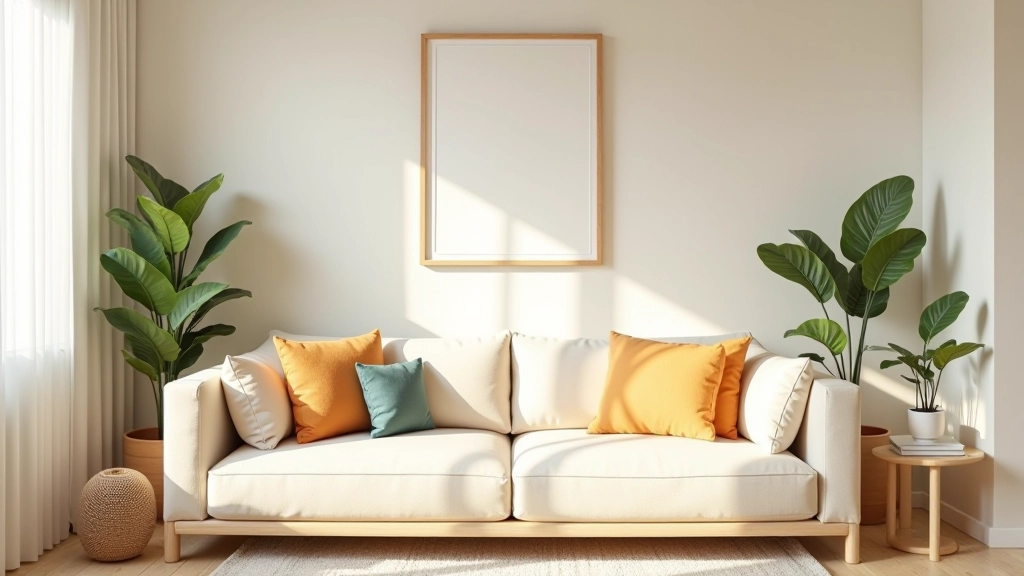
Color psychology matters. Light, neutral walls (white, soft gray, beige) make rooms feel larger. Add color through textiles and artwork instead. This way, you can change the mood without repainting.
Start With One Room
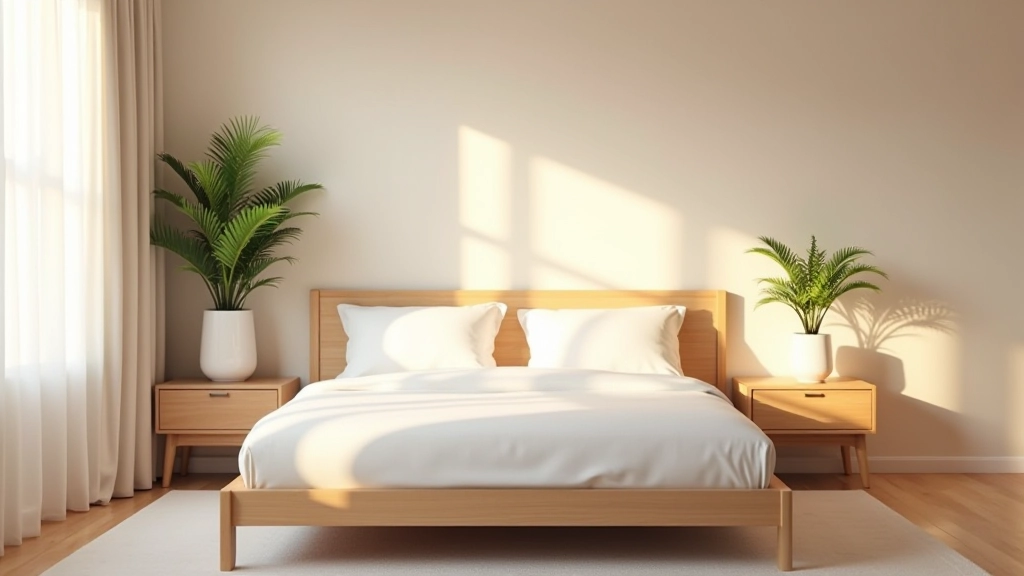
Don’t try to overhaul everything at once. Pick one room — your bedroom or living room — and apply these principles. Move furniture around, clear pathways, adjust lighting. Spend a week living with the new arrangement. You’ll notice the difference.
Small spaces aren’t limitations. They’re opportunities to be intentional about every choice. When you arrange thoughtfully, even a 400-square-foot apartment can feel calm, open, and genuinely yours. That’s what feng shui in small spaces is really about.
Want to explore more interior design principles?
Explore our full interior design collection