Understanding The Five Elements Framework
Feng shui isn’t just about moving furniture around. It’s a system that’s been refined over thousands of years, and it works because it understands how spaces affect us. The five elements — wood, fire, earth, metal, and water — aren’t just symbolic. They represent different energies and qualities that we can actually feel in a room.
In Sha Tin apartments, where space is limited, knowing how to balance these elements becomes crucial. You’re not trying to cram everything in. You’re creating zones where each element has its place, where the energy flows naturally through your home.
Wood: Growth and New Beginnings
Wood represents growth, vitality, and movement. It’s the element of spring — fresh, expanding energy. In your home, wood isn’t just about the furniture itself. It’s about how those pieces make you feel. A wooden table shouldn’t feel heavy or oppressive. It should feel alive.
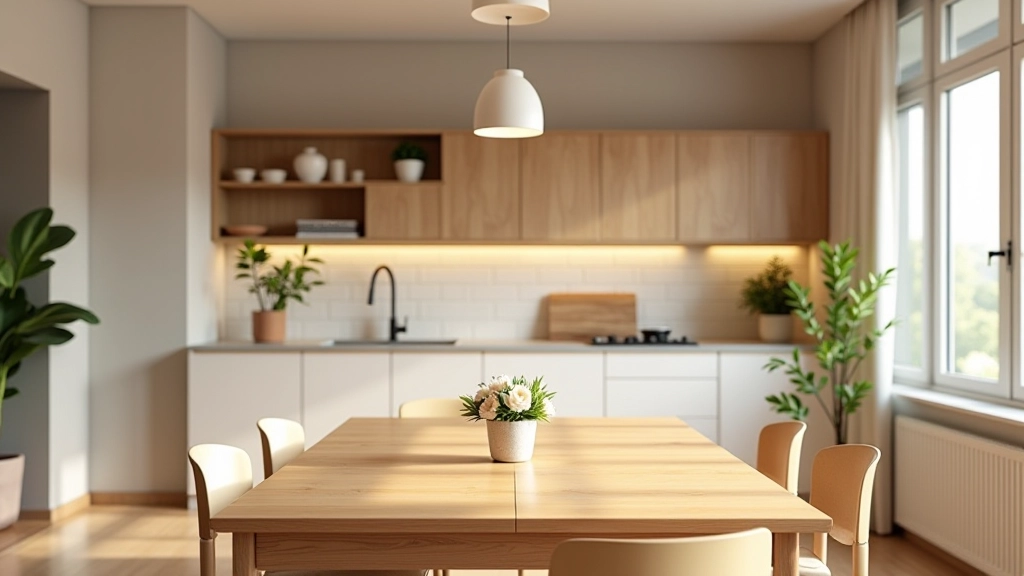
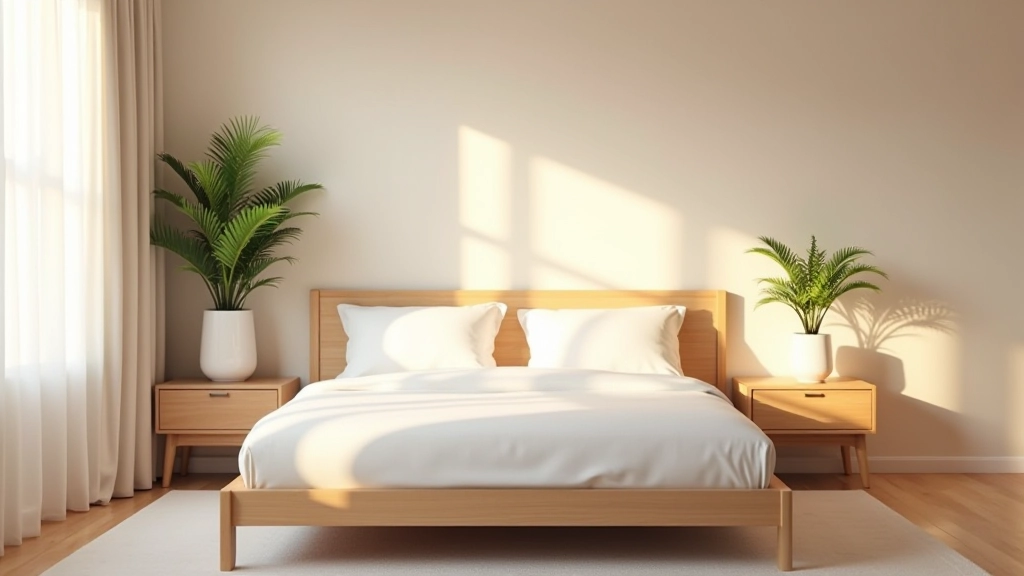
For Sha Tin apartments, you’re probably not installing floor-to-ceiling wooden walls. But you can introduce wood strategically. A wooden accent wall behind your bed creates a focal point. Wooden shelving gives you vertical storage while bringing that growth energy. The key? Light woods for small spaces — bamboo, ash, or light oak. They expand the feeling of space rather than closing it in.
Placement matters too. Wood belongs in the east or southeast areas of your home. If your bedroom is there, brilliant. Add wooden furniture, wooden picture frames, even wooden beams in the design. Don’t have those areas? No problem. You can use wooden accents in any room — the effect is subtler but still present.
Fire: Passion and Transformation
Fire is the trickiest element because you can’t actually have fire in your apartment. But you can capture its energy — warmth, passion, transformation. Fire brings movement and excitement to a space.
Color is your main tool here. Reds, oranges, and deep purples carry fire energy. But don’t paint your entire apartment red. That’s overwhelming, especially in compact Sha Tin living. Instead, use fire strategically. A red accent wall in your living room works. Red throw pillows on a neutral sofa. A burgundy velvet chair. Even red artwork can bring that energy in.
Lighting is equally important. Fire represents brightness and clarity. Good lighting isn’t just practical — it’s essential for fire element balance. Warm-toned lights (2700K color temperature) feel more inviting than cool white. Add table lamps, floor lamps, even candles on shelves. The glow of light carries fire energy throughout your space.
South-facing rooms are naturally fire-aligned. If your main living area faces south, you’re already working with that energy. Enhance it with warm colors and layered lighting. You’ll notice the difference immediately.
Earth: Stability and Grounding
Earth is grounding. It’s stability. When a space feels chaotic or uncertain, it’s usually because earth element is missing. Earth brings everything together, creates a sense of belonging, makes you feel safe in your own home.
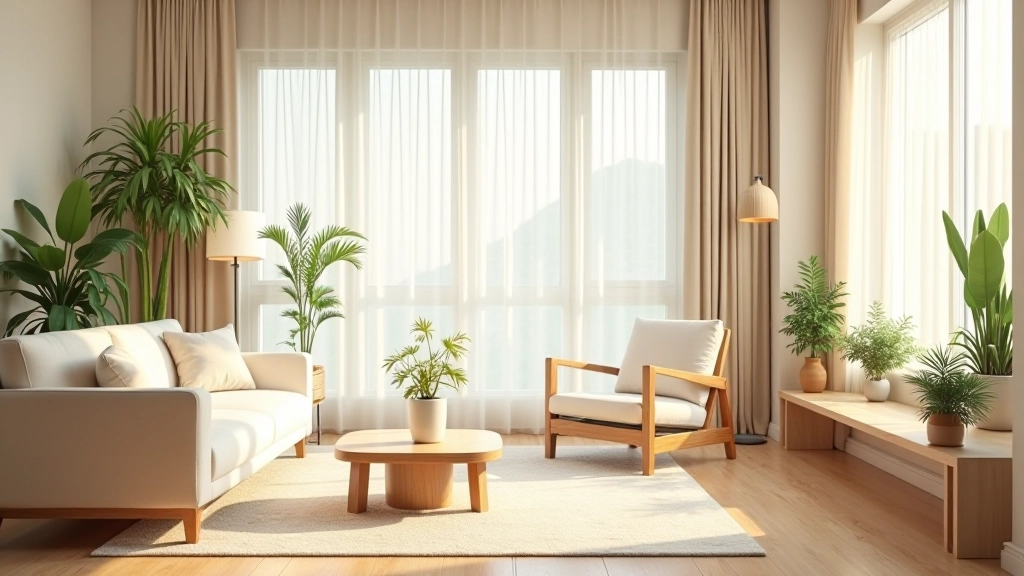
Earth colors are terracotta, ochre, sand, warm browns, and soft yellows. These aren’t trendy accent colors — they’re foundational. Your main walls could be soft cream or warm beige. These colors provide the base that everything else rests on. Add terracotta pottery, clay-colored rugs, natural stone accents. These materials carry earth energy more authentically than painted color alone.
In small Sha Tin apartments, earth element prevents the space from feeling too scattered. If you’ve added wood growth energy and fire passion, you need earth to balance them. A terracotta accent wall. An earthy area rug. Natural stone on shelves or side tables. These create visual weight and psychological comfort.
The center of your home — both literally and energetically — is earth. Your living room center should feel grounded. A low coffee table with natural materials. A central rug that anchors the space. Even how you arrange seating matters. Facing toward the center of the room (rather than toward walls) creates earth stability.
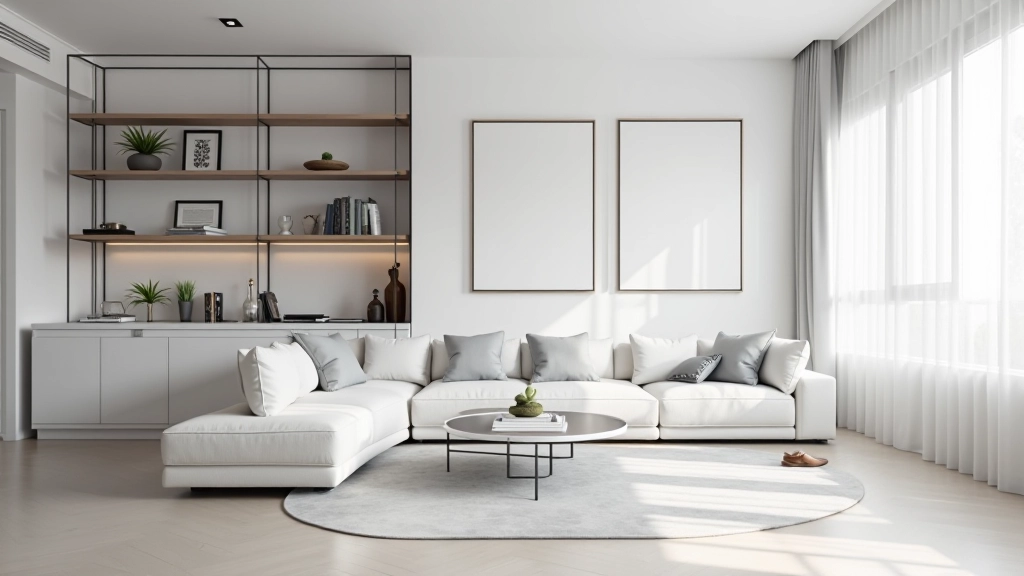
Metal: Clarity and Precision
Water: Flow and Renewal
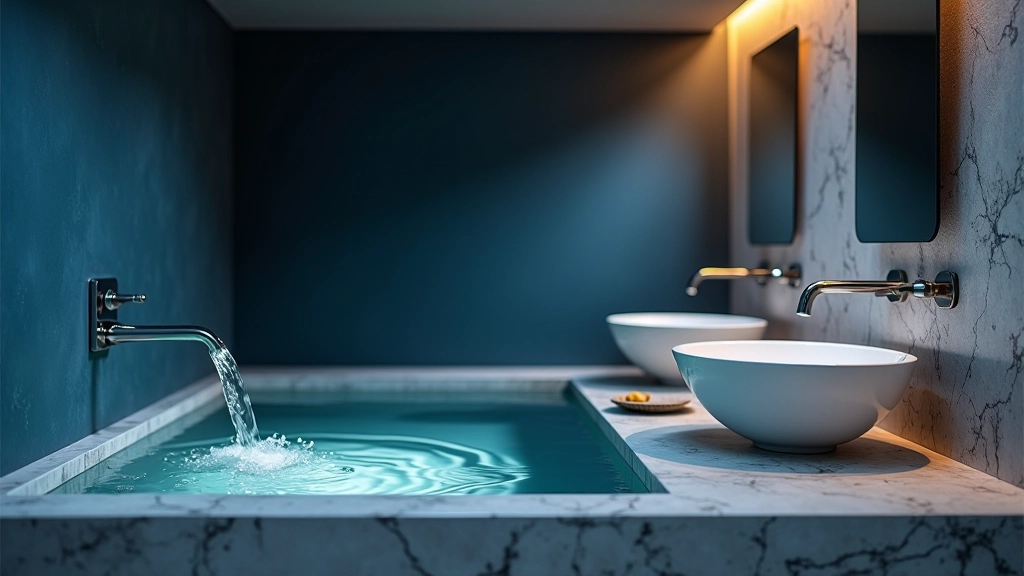
Water is flow, renewal, and ease. It’s the element of change and adaptation. In feng shui, water represents wealth and opportunity — not because water is valuable, but because water flows freely and carries things forward. When your space has water element, energy moves naturally. Nothing gets stuck.
Water colors are deep blues, blacks, and dark grays. These aren’t depressing colors — they’re profound. A dark blue accent wall creates depth. Dark gray upholstery feels sophisticated. These colors ground a space while allowing energy to flow through it.
The most obvious water element is actual water. A small water feature — fountain, aquarium, or even a simple bowl of water with floating flowers — brings literal water energy. But in compact Sha Tin apartments, you might prefer symbolic water. Images of water — ocean photographs, paintings of rivers, prints of rain. These carry water energy without taking up space.
Flow is more important than the specific object. Water belongs in the north, the area of career and opportunity. Your entryway is also ideal for water element because it’s where new energy enters. A dark blue entry mat. A mirror that reflects and multiplies incoming light. Even the way you arrange your furniture affects water flow. Curved rather than sharp corners. Pathways through rooms that don’t feel blocked.
Bringing It All Together: Creating Harmony
Understanding each element individually is one thing. But real balance comes from how they interact. Wood feeds fire. Fire creates earth. Earth produces metal. Metal collects water. Water nourishes wood. It’s a cycle, not a static state.
In your Sha Tin apartment, you’re not trying to have all five elements in equal measure. That would be overwhelming in a small space. You’re creating intentional presence of each. Maybe wood is strong in your bedroom (growth while resting). Fire is present in your living room (social energy). Earth grounds your whole home. Metal brings clarity to your workspace. Water flows through your entryway.
The most important thing? Your space should feel like home. Not like a perfectly balanced design theory. If you follow every principle but your apartment doesn’t feel right to you, something’s wrong. Trust your instinct. Your body knows when a space works. It knows when something’s off. Use the five elements framework to understand why, then adjust until it feels right.
Start with one element. Maybe add more wood because your bedroom needs that growth energy. Live with it for a few weeks. Notice how you feel. Then add another element. This isn’t a project to complete in a weekend. It’s how you live in and refine your space over time. And that’s actually the most authentic way to create balance.