Why Layout Matters in Small Spaces
Living in a Sha Tin apartment means making every square foot count. You’re not working with sprawling rooms or endless hallways — you’re working with smart design choices. The difference between a cramped space and a comfortable one isn’t the square footage. It’s how you arrange what you’ve got.
We’ve spent years helping residents transform 400 square foot apartments into homes that actually feel spacious. The secret isn’t expensive furniture or trendy decor. It’s understanding flow, using vertical space, and making intentional choices about where things go. You’ll notice changes immediately once you start applying these principles.
Storage That Actually Works
The biggest mistake we see? Treating storage as an afterthought. In Sha Tin apartments, storage IS design. It’s not about adding more cabinets — it’s about using what you already have more intelligently.
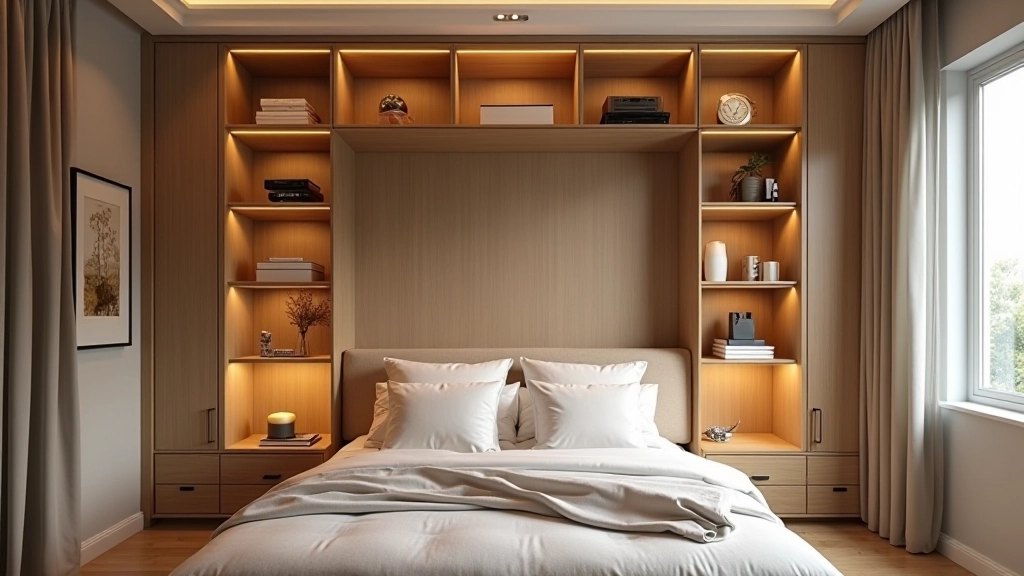
Start by measuring your vertical walls. Most people focus on floor space and miss the 8-10 feet of wall height above eye level. Floating shelves aren’t just trendy — they’re practical. You’re creating storage without eating into your living area. Mount them at least 60 inches high so they don’t feel visually heavy. The stuff you use daily? Keep it at arm’s level. Seasonal items and decorative pieces go higher.
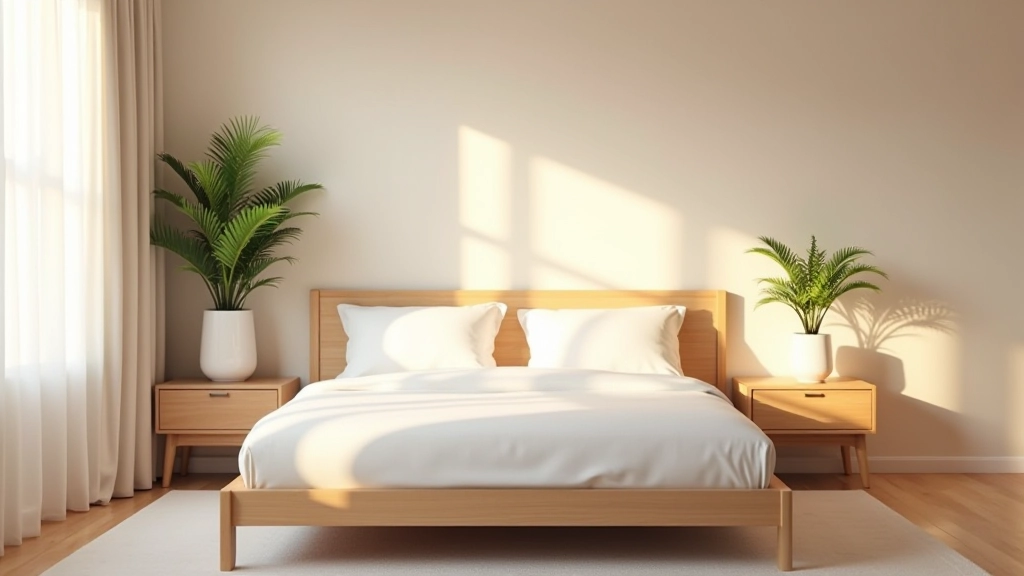
Under-bed storage works, but only if you’re organized about it. Clear plastic containers with labels. Not opaque boxes where you’ll forget what’s inside. Same goes for closets — don’t just stuff things in. Use shelf dividers, hang organizers, and double-hang rods if you’ve got the height.
Here’s what surprised most of our clients: built-in storage feels like it costs thousands. You’re actually looking at 2,000-4,000 HKD for basic wall units that’ll transform your space. That’s less than a decent sofa and you’ll use it every single day.
The 60-30-10 Rule for Small Spaces
60% essential furniture (bed, sofa, dining), 30% secondary pieces (shelves, small tables), 10% decorative items. This ratio keeps apartments from feeling cluttered while maintaining personality.
Light Changes Everything
You can’t fake good lighting in a small apartment. It’s not just about brightness — it’s about making the space feel bigger. Here’s what actually works.
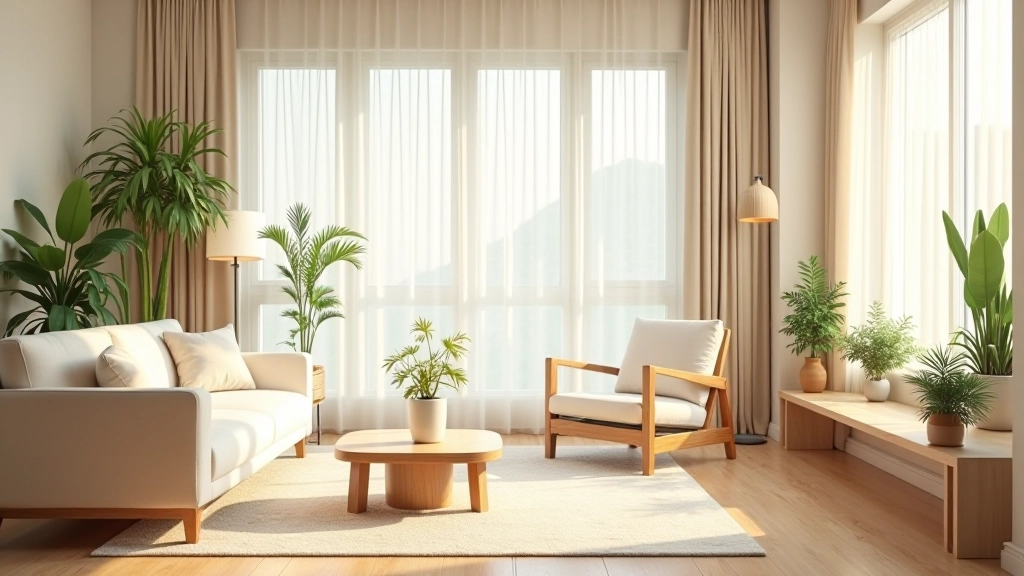
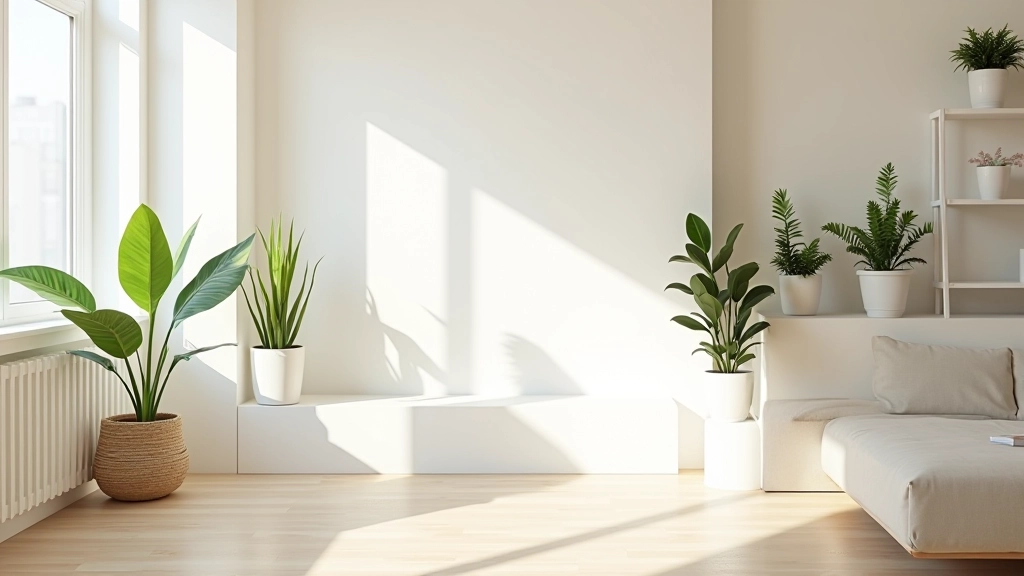
First, use your natural light properly. Don’t block windows with heavy curtains. Install roller blinds or sheer curtains that let light through while giving you privacy. During the day, you’re basically getting a free design upgrade. You’ll notice your apartment feels 30% larger just by maximizing daylight.
For artificial light, layering is everything. One overhead light is your enemy in a small space — it creates harsh shadows and makes things feel institutional. Instead, you want three light levels: ambient (soft background light), task (reading, cooking), and accent (highlighting decor or architectural features).
LED strips behind floating shelves? That’s not just Instagram-worthy. It actually makes your storage look like part of the design instead of just functional boxes. Warm white bulbs (2700K color temperature) make spaces feel cozier. Cool white (4000K) feels more modern and energizing. Pick one and stick with it throughout your apartment.
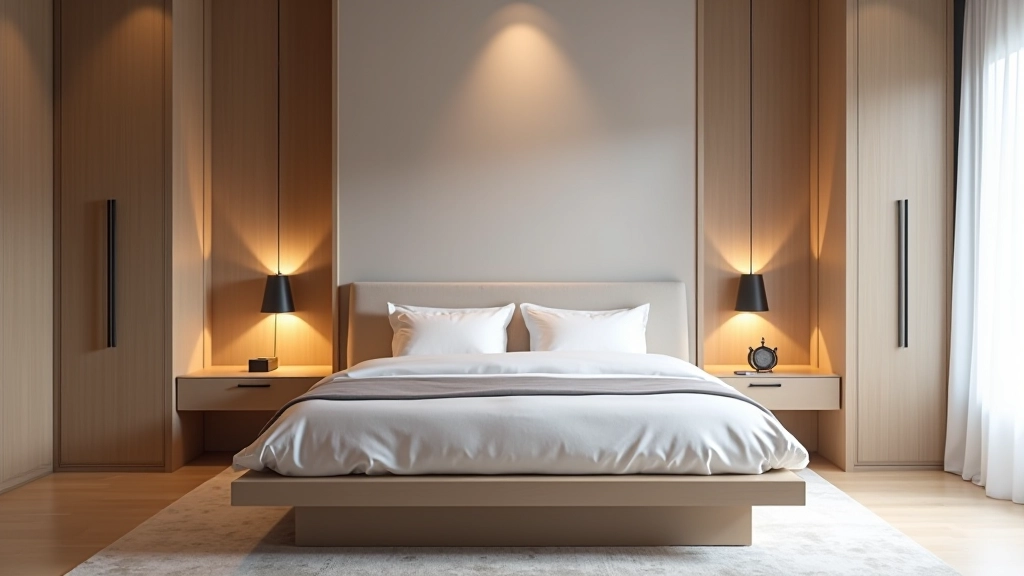
Wall sconces are your secret weapon. They don’t take up floor space, they look sophisticated, and they eliminate those dead dark corners that make apartments feel cramped.
Design Note: These layout principles are based on feng shui fundamentals combined with modern interior design practice. While we’ve seen consistently positive results with hundreds of Sha Tin residents, every apartment has unique challenges — ceiling height, window placement, structural walls. Consider consulting with a professional designer for custom solutions tailored to your specific space.
Furniture Placement & Flow
Here’s what separates a well-designed small apartment from a chaotic one: intentional placement. Every piece of furniture has a job. If it’s not working hard, it’s taking up space.
Start by identifying your natural traffic paths. Where do you walk when you enter? From bedroom to kitchen? Living room to bathroom? Keep these paths clear — not just physically, but visually. A cluttered hallway makes the whole apartment feel cramped even if other rooms are spacious.
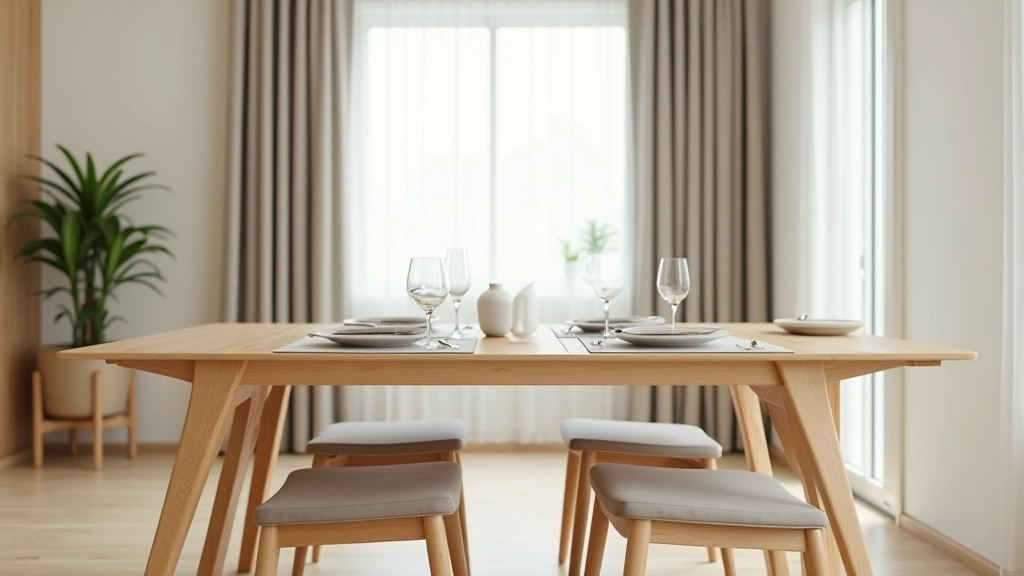
Furniture scale matters more in small spaces than anywhere else. A sofa that works in a 2,000 square foot flat will dwarf a 400 square foot apartment. Look for pieces where the legs are visible — it creates visual lightness. Bulky, floor-to-ceiling pieces make rooms feel smaller. Lift furniture off the ground by 3-4 inches and you’re immediately creating a sense of openness.
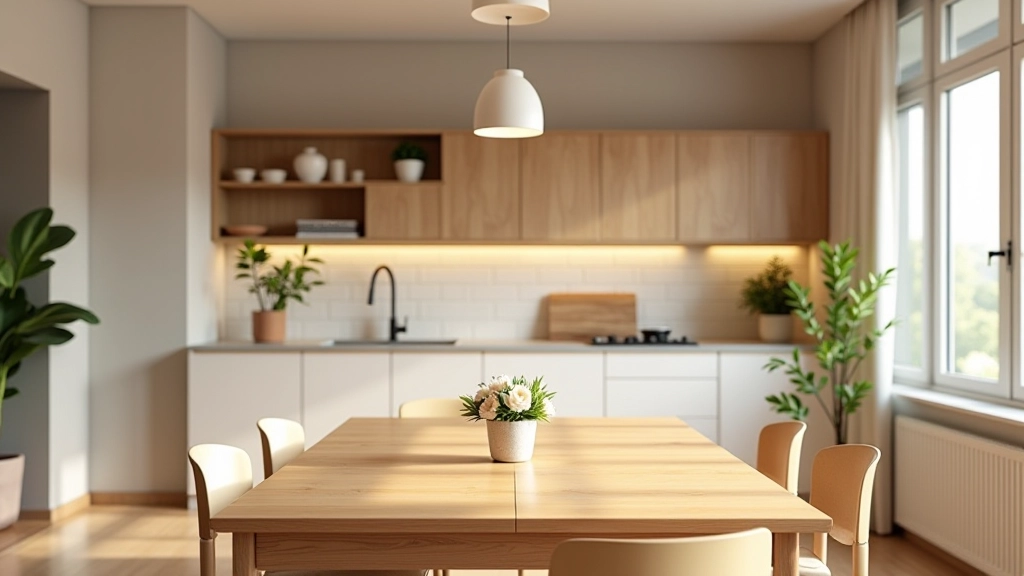
The dining table is usually the anchor piece. Position it to define the space without blocking sight lines. If you’ve got a window view, orient your sofa toward it. These aren’t decorative choices — they affect how the space actually functions day-to-day.
Color & Material Choices
You don’t need a beige apartment to make it feel spacious. Color works — you just need to understand how.
Light colors (especially whites and soft grays) bounce light around, making spaces feel bigger. That’s true. But living in all white feels sterile and it’s honestly boring. Instead, use light neutrals for your walls and larger furniture, then introduce color through textiles and accessories that you can change seasonally.
Materials matter as much as color. Reflective surfaces (glass, mirrors, polished metal) expand visual space. Matte surfaces feel cozy but can make small spaces feel heavier. Balance both — a glass dining table with a matte ceramic rug. Shiny shelving with fabric-covered storage boxes.
Mirrors aren’t just functional — they’re design tools. Strategically placed mirrors opposite windows bounce natural light throughout your apartment. A 1.2-meter mirror costs 300-800 HKD and instantly makes your space feel twice as deep. That’s one of the best value improvements you can make.
Wood elements warm up spaces without making them feel small. Natural wood shelving, a wooden dining table, wooden floors — these create visual warmth while keeping the space feeling open. Avoid dark woods in very small apartments. Medium to light wood tones work better.
Making It Work for You
Sha Tin living doesn’t mean compromising on comfort or style. We’ve worked with residents in 380, 450, even 600 square foot apartments who’ve created spaces that feel genuinely spacious. The difference? They didn’t fight their layout — they worked with it.
Start with one of these strategies. Maybe it’s adding floating shelves this month, upgrading your lighting next month, rearranging furniture to improve flow the month after. Small changes compound. After three months of intentional design choices, you won’t recognize your space.
The best part? These principles work because they’re based on how humans actually experience space. It’s not magic. It’s just good design applied thoughtfully. Your apartment’s already got the bones — you’re just learning to work with them.
Ready to Transform Your Space?
Explore our complete interior design courses combining feng shui fundamentals with practical modern design strategies.
View Our CoursesContinue Learning